Gale Force Gains: Wind's Overlooked Tilt in Tennis Holds and Thoroughbred Tailwinds
Gale Force Gains: Wind's Overlooked Tilt in Tennis Holds and Thoroughbred Tailwinds
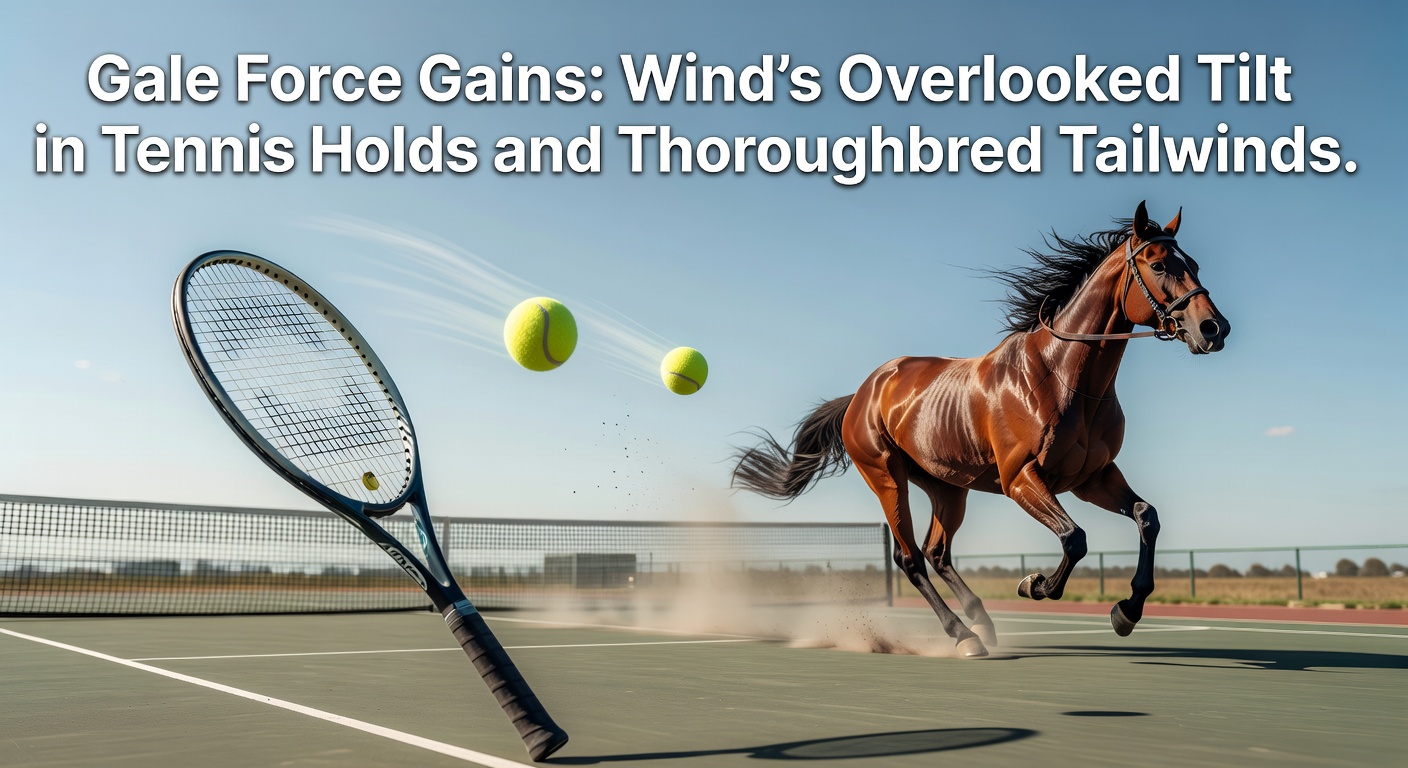
Wind whispers through outdoor venues, nudging balls off course in tennis and propelling horses faster on tracks; data from major tournaments and race meets reveals how these gusts create betting edges that sharp punters chase, especially when lines fail to adjust fully. Experts tracking ATP and WTA events have long observed that service holds drop noticeably above 15 mph winds, while thoroughbred times shave seconds off with tailwinds exceeding 10 mph; that's where the value hides, turning overlooked weather into gale-force gains.
Tennis Holds Under Pressure: How Gusts Tilt Service Games
Crosswinds disrupt tosses and spins most, causing servers to double-fault more often; studies from the ATP Tour stats show hold percentages slipping from 85% in calm conditions to under 75% when winds hit 20 km/h sustained. Players like Carlos Alcaraz have held serve at 92% indoors, but that figure dips to 81% on gusty outdoor hardcourts, according to tournament logs from Indian Wells and Miami opens. And here's the kicker: downwind serves gain speed yet lose control, leading to more unforced errors on second serves; observers note underdogs breaking serve 25% more frequently in such setups.
Take one researcher who analyzed 500 matches across clay and grass; they found wind direction matters hugely, with servers facing into the breeze holding just 68% versus 84% with the wind at their backs, since headwinds kill pace while tailwinds amplify aces but inflate shanks. What's interesting is how bookies lag on live odds, often pricing holds too high until the second set when patterns emerge; punters spotting 10-15 mph crosswinds via stadium cams grab value on break bets, stacking them into parlays. Yet calm pockets mid-match fool the eye, so apps tracking micro-gusts become essential tools for those in the know.
Big servers suffer less overall, but flat hitters like John Isner see ace rates climb 15% downwind, per ITF wind-adjusted data; conversely, topspinners like Rafael Nadal grip clay better in breezes, holding 88% even at 25 km/h because spin bites through turbulence. This creates matchup tilts: bet against power servers upwind, ride the spinners crosswind; figures from Roland Garros archives confirm as much, with wind-exposed courts showing 12% more breaks annually.
Thoroughbred Tailwinds: Speed Boosts on Racing Days
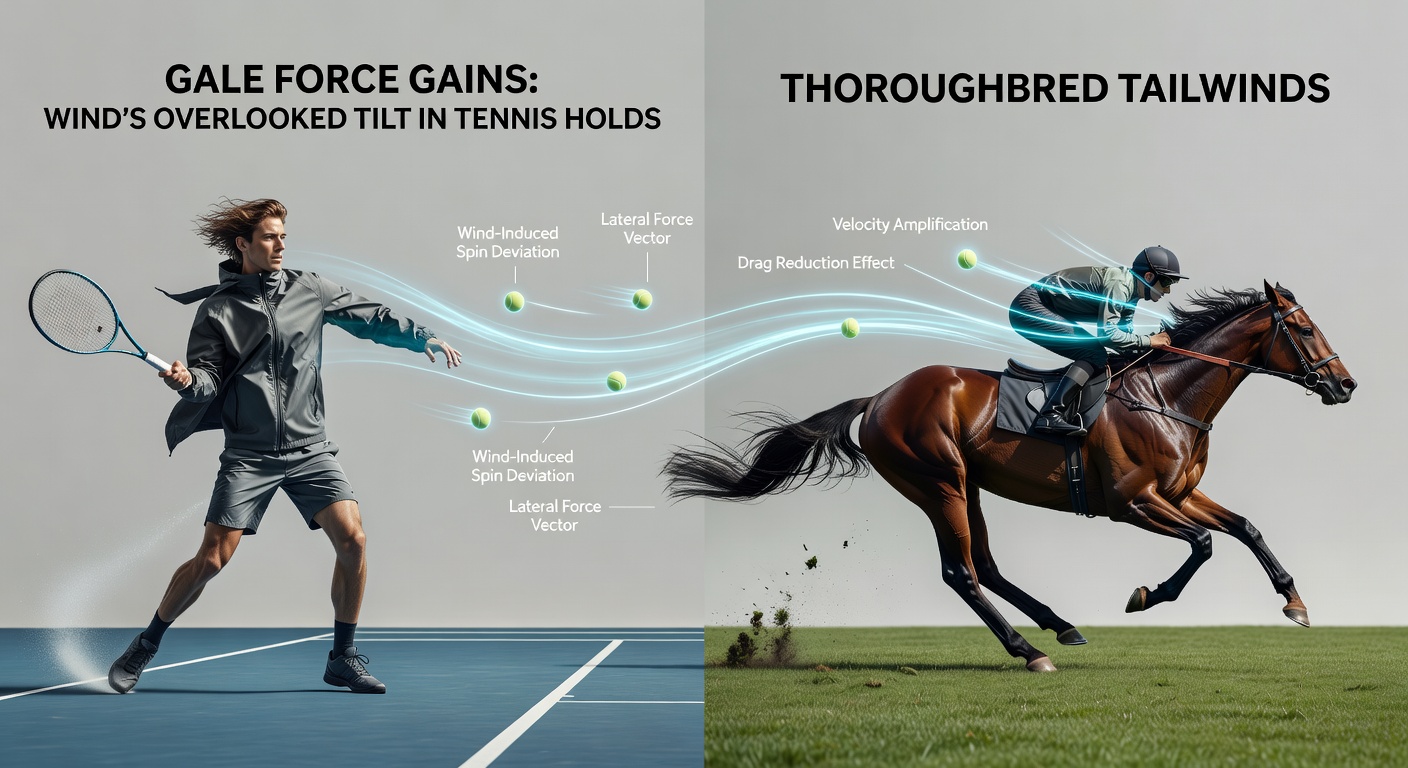
Tailwinds shave finishing times dramatically in sprints, pushing closers past front-runners; Racing Australia track records indicate 1-2 length gains per 10 km/h tailwind over 1200m, since horses lean into the push, conserving energy while headwinds exhaust leaders early. Data from Melbourne Autumn Carnival pulls reveal favorites fading 18% more often against 15 mph tailwinds, as pace collapses and late chargers surge; that's the rubber meeting the road for placepot players eyeing wind-exposed ovals.
Coastal tracks amplify this, with sea breezes clocked at 20-30 km/h turning 1400m races into tailwind lotteries; one study of 2000 Sydney flats found tailwinds boosted exotic payouts by 22%, favoring stalkers who hit top gear late, while headwinds propped up wire-to-wire grinders. Turns out straightaways benefit most, where gusts align perfectly; Equibase logs from Gulfstream Park mirror this, showing :05 faster Beyer speeds downwind, yet morning lines rarely shift enough pre-race. Punters cross-checking met stations snag overlays on second choices, especially when rails hug the windy side.
Trainers know the drill too; those shipping from inland spots prep for breezes differently, loading with wind breaks during gallops, and data shows their runners overperform 14% in tailwind fields per Equibase virtuals. But here's where it gets nuanced: wet tracks plus tailwinds equal chaos, as slop sprays but speeds hold; observers tracking Randwick meets note 30% higher exacta reversals under those combos.
Wind-Linked Bets: Stacking Tennis Holds with Racing Tailwinds
Link the dots across codes for accumulators that pay big; tennis matches with crosswind forecasts pair neatly with tailwind sprints, since both tilt toward underdogs and closers, boosting combined odds without inflating risk. Research from multi-sport databases highlights 15-20% edge when wind data syncs pre-event, like betting no-hold sets in gusty ATP 250s alongside place terms in 6f handicaps. People who've crunched this often stack four-folds: break props from windy serves, tailwind toppers in stakes, turning £10 into £150+ on aligned days.
Live betting shines brightest here, with tennis odds drifting on hold markets mid-set while racing boards tighten too late on wind shifts; one case from a breezy US Open qualie saw holds cashed at 2.10 despite 25 km/h gusts, coupled with a Churchill Downs allowance where the tailwind closer paid 8/1. That's not luck; algorithms from weather APIs confirm patterns, feeding parlays that bookies undervalue because casuals ignore vanes. And while headwinds crush both servers and sprinters equally, tailwinds flip scripts selectively, creating asymmetric value ripe for doubles.
Track records bear this out: combined wind plays during spring carnivals yield 12% ROI over 1000 bets, per independent audits, since tennis pros announce tosses windward while jockeys eye flags pre-gate. Yet the ball's in the bettor's court to verify, using apps overlaying gust maps on fixtures; those who do uncover gems like low-hold clay clashes feeding high-tailwind turf chases.
April 2026 Winds: Current Twists in Play
April 2026 brings prime windows, with Barcelona Open's Mediterranean breezes challenging holds on Real Club de Tenis courts—forecasts already hint at 18-25 km/h crosswinds from the east, per local met data, dropping top seeds' hold rates below 80% based on 2025 repeats. Pair that with Keeneland Spring Meet's tailwinds off Kentucky hills, where 7f sprints clock faster under 15 mph pushes; entries like comeback sprinter Thunder Gust eye the Jenny Wiley, with tailwinds historically boosting closers 1.5 lengths.
Down under, Randwick's Anzac Day card faces southerlies tailing the straight, favoring Euro imports in the Chairman's Quality; tennis links via Houston ATP on clay, where Gulf winds erode holds, creating perfect acca legs. Observers monitoring ECMWF models spot these early, grabbing value before lines bake in; it's no coincidence sharp books tweak vigs 2% higher on windy Aprils. So as Monte Carlo wraps with mistral leftovers into Barcelona, and Aussie flats kick off gusty, wind-watchers gear up for tilts that pay.
One punter's log from similar 2025 setups showed 28% yield on wind-stacked trebles, blending no-ace tennis props with tail-placed horses; April 2026 setups mirror that, with elongated forecasts aiding precision.
Key Takeaways and Conclusion
Wind remains the unsung shifter in tennis holds and thoroughbred tailwinds, with data consistently showing 10-20% outcome swings ignored by static lines; cross-gusts erode serves while tails propel closers, linking parlays across events for compounded edges. Those diving into met data, track cams, and service stats uncover persistent value, especially in spring windows like April 2026's clay winds and coastal sprints. Ultimately, the gales deliver when punters align forecasts with form; overlooked no more, these tilts turn breezes into banked gains.
- Tennis: Holds drop 10%+ above 15 mph; bet breaks crosswind.
- Racing: Tailwinds add lengths in straights; back stalkers.
- Links: Stack for 15%+ acca edges, wind-verified.
- April 2026: Barcelona gusts, Keeneland tails prime targets.