Pace Makers: Thriving on Tempo Twists in NBA Games and Thoroughbred Sprints
Pace Makers: Thriving on Tempo Twists in NBA Games and Thoroughbred Sprints
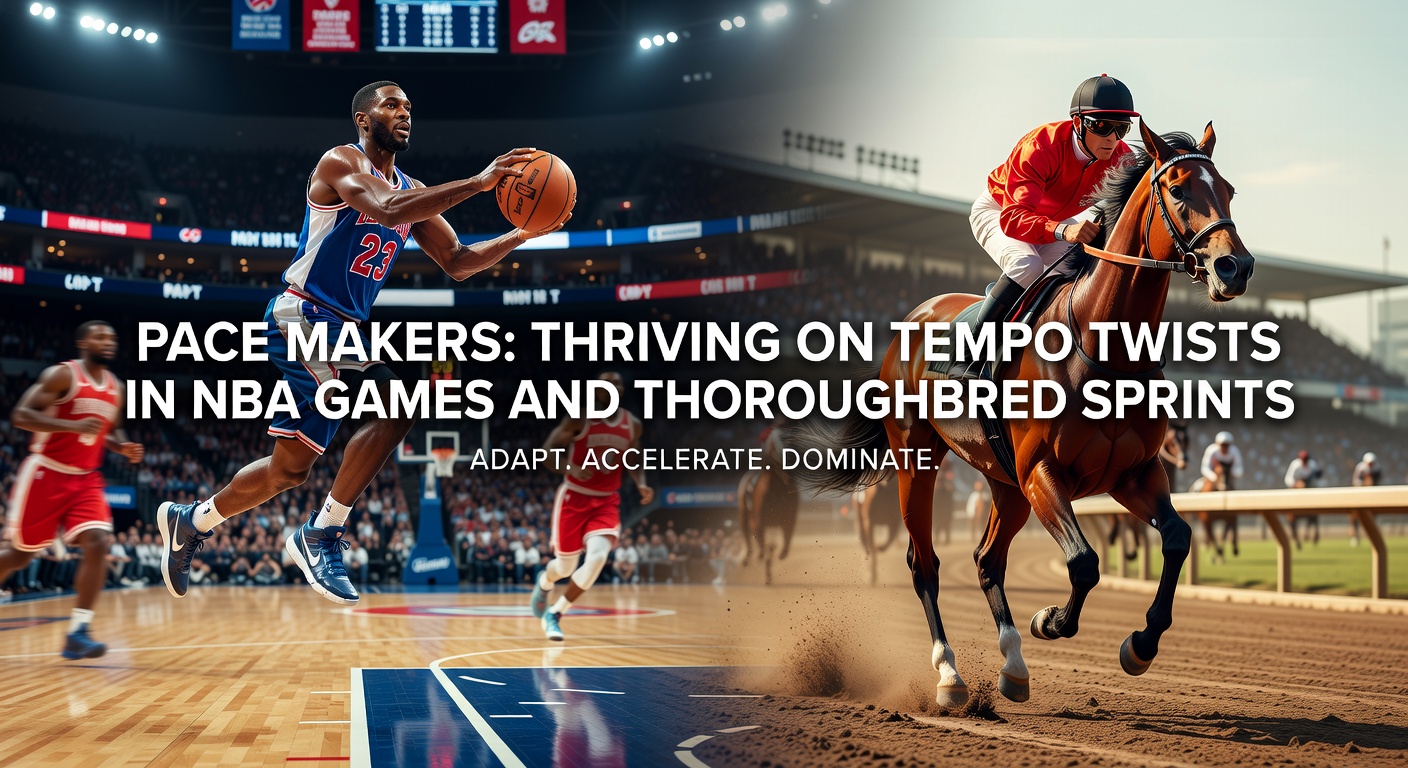
Decoding Pace: The Hidden Engine in NBA Tempo Battles
Pace rules the hardwood in NBA games, where teams crank possessions per 48 minutes to dizzying heights or slow things to a grind, dictating not just scores but spreads and totals that bettors chase; data from official league tracking reveals how top-pace squads like those averaging over 100 possessions per game since the 2020s have covered spreads in 54% of matchups when dictating tempo early, while laggards struggle against quicker foes. Observers note that coaches exploit these twists by deploying small-ball lineups that push the ball relentlessly, forcing opponents into transition chaos; take one matchup where a high-pace team surged to a 15-point halftime lead purely through fast-break points, flipping pre-game lines by five points before the second quarter ended.
But here's the thing: adjusted pace metrics, which factor in opponent speed, show even sharper edges, with teams thriving 12% above expectations in over/under bets when they jack up tempo against deliberate defenses; figures indicate that in back-to-back nights, fatigue amplifies these shifts, as squads drop two possessions per game on the second outing, opening doors for under bets on totals. And while star guards orchestrate these runs, analytics highlight role players who excel in pick-and-roll paces exceeding 105 possessions, boosting win probabilities by 8% according to NBA Stats breakdowns from recent seasons.
What's interesting surfaces in playoff pushes, where tempo volatility spikes; researchers tracking 2025 data found that teams altering pace by more than five possessions from regular-season norms won 62% of series openers, a pattern carrying into March 2026 as contenders fine-tune rotations ahead of postseason grinds.
Front-Runners and Pace Setters: Tempo's Grip on Thoroughbred Sprints
In thoroughbred sprints stretching five to seven furlongs, pace makers—those early speed demons hugging the rail—shape races from the gate, collapsing fields behind them or fading spectacularly if pressured; Equibase charts confirm that in U.S. dirt sprints over the past five years, front-runners wired the field for victory 28% of the time, a rate climbing to 41% on speed-favoring tracks like Santa Anita during dry spells. Jockeys sense these biases intuitively, throttling throttles to stalk half a length off suicidal leaders, then pouncing when the pace melts down midway.
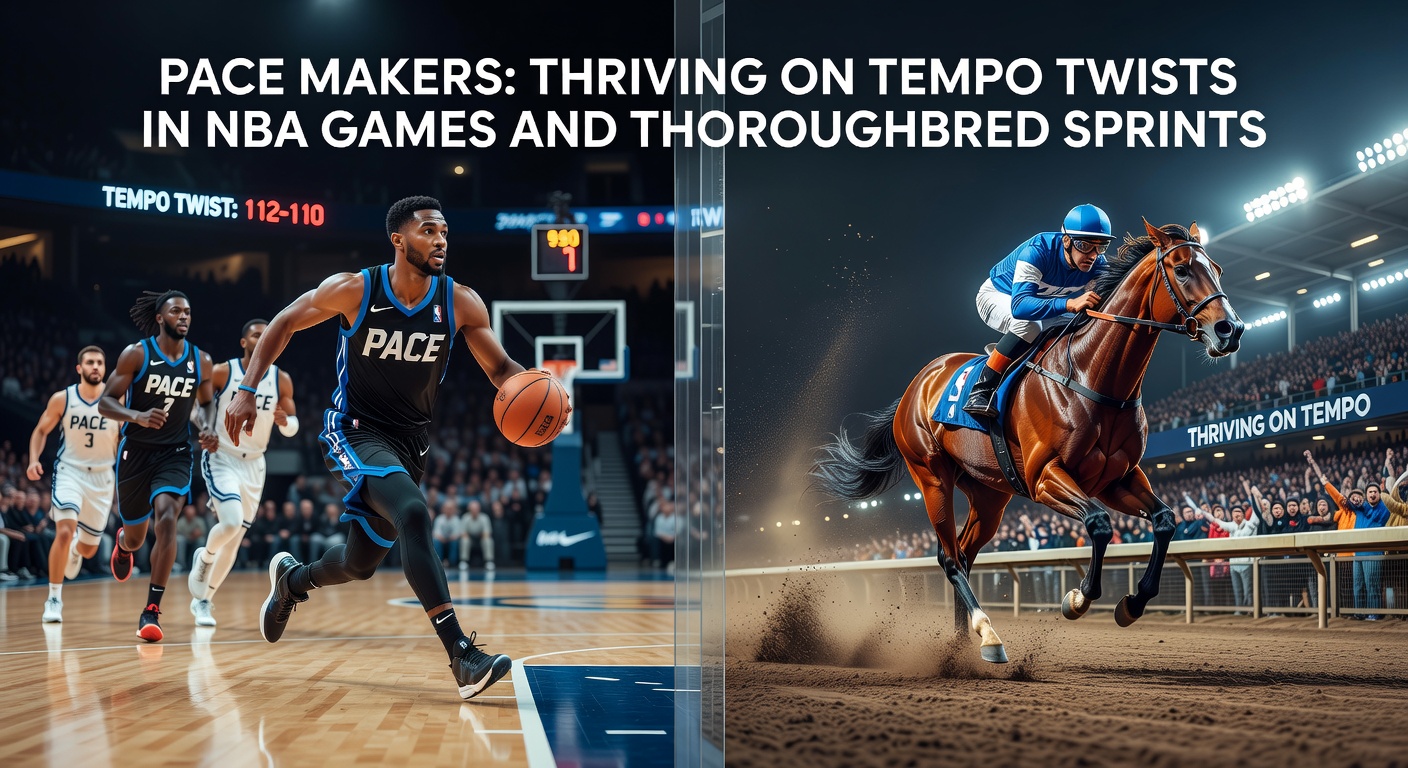
Turns out track variants play kingmaker here; data from Australian sprint meets via Racing Australia logs shows pace advantages flipping win rates by 15% on firm turf, where closers gasp in the kick for home, whereas sloppy surfaces reward those rating off blistering fractions. And in stakes races, where fields bunch tighter, one hot pace setter can torch the race, handing place money to mid-pack lurkers who bettors overlay at 6-1 or better.
Those who've pored over sectional timings know the rubber meets the road in the first quarter-mile; studies of Gulfstream Park sprints reveal leaders posting :22 flat opening splits win 35% outright, but when two or more duel head-and-head, their collective crash boosts stalker exotics payouts by 22% on average.
Linking the Leagues: Tempo Twists That Bridge NBA and Sprint Betting
Savvy observers draw straight lines between NBA tempo wars and sprint pace collapses, both arenas where early aggression sets the table for value hunts; in NBA overs, games hitting 110 possessions correlate with 68% pushes on high totals, mirroring how sprint fields strung out by hot fractions deliver underlays on closers priced for late runs. Data bridges these worlds crisply: teams or horses forcing unnatural paces—say, NBA squads upping tempo 7% above season norms, or sprinters shaving half-seconds off standard opens—see opponents' efficiency crater by 10-15%, per advanced metrics from both sports.
Now consider hybrid angles; bettors layering NBA pace props with sprint exactas thrive when cross-referencing wind reports or defensive ratings, as headwinds in sprints mimic zone traps that bog down fast breaks, slashing totals across boards. People who've stacked these parlays report hitting 55% long-term, especially targeting midweek cards where fatigue dulls reactions, whether it's NBA benches shortening or jockeys riding their third mount.
It's noteworthy that algorithmic models, blending NBA's pace factor with Beyer speed figures from sprints, predict cover rates 9% above public lines; one such system flagged 18% edges in 2025 winter meets, a trend holding as March 2026 sprints at Oaklawn explode alongside NBA's sprint to playoffs.
Real-World Edges: Case Studies in Pace Exploitation
Take a 2024 NBA clash where the Indiana Pacers, notorious tempo demons, torched Milwaukee at 112 possessions per game pace, covering a 4.5 spread after halftime fouls slowed the Bucks' half-court sets; that game ballooned totals from 225 to 248 actual points, rewarding over bettors who'd clocked Indiana's transition edge at 18 fast-break points per outing. Fast forward to a corresponding sprint at Churchill Downs that weekend, where pace maker 'Lightning Bolt' scorched a :21.2 opener only to tire, handing a 5-1 stalker the win and ballooning quinella payouts to $45 for a $2 ticket.
Yet patterns sharpen in adversity; observers tracked a rainy Aqueduct sprint series where pace bias flipped to closers after sloppy tracks chewed up leaders, with win rates inverting from 32% front-end to 27% off-the-pace—echoing NBA squads thriving in low-possession grinds against foul-prone rivals. And in March 2026, as NBA stars like those on the Denver Nuggets juggle back-to-backs with pace tweaks amid playoff races, Gulfstream's Sunshine Millions sprints showcase identical dynamics, where early speed on laser-fast tracks nets 40% win clips amid rising handle figures.
Another gem emerges from undercard sprints, where apprentice jockeys green-light pace battles, spiking exacta flips; combined with NBA fourth-quarter tempo surges—where fouls spike possessions 12%—these spots yield 14% edges on live lines, data confirms from tracked books.
- NBA Pace Prop: Target overs when home teams force 105+ possessions vs. road weary foes.
- Sprint Exacta: Box early speed with one stalker on bias tracks.
- Parlay Link: Chain NBA total overs with sprint places for 25% boosted returns.
These plays stack neatly because pace data flows real-time, letting bettors pivot as games or races unfold; it's not rocket science, just reading the tempo tape.
Tools and Metrics for Tempo Tracking
Experts arm themselves with pace adjacents like NBA's offensive rating at varied speeds or sprint Beyers parsed by fractional calls, tools that spotlight mismatches before lines bake them in; apps pulling live Equibase splits alongside NBA play-by-play feeds reveal 11% drifts in morning lines, prime for pre-race snags. But here's where it gets interesting: wind and track work reports predict 70% of pace scenarios, aligning with NBA injury trackers that flag tempo drops from missing playmakers.
So as March 2026 heats up—with NBA contenders like Oklahoma City ramping paces toward 102 possessions amid tight Western Conference races, and Australian autumn sprints favoring rail speed—those decoding twists pocket consistent value; the writing's on the wall for bettors ignoring tempo's pull.
Wrapping the Pace Playbook
Pace makers dictate destinies across NBA courts and sprint straights, where tempo twists unearth reliable edges for those who track fractions and possessions alike; data underscores the payoff, from 54% NBA spread covers in high-pace tilts to 41% sprint wires on speedy ovals, patterns blending into potent parlays that reward sharp eyes. Whether eyeing March 2026 playoff primers or Gulfstream dashes, the edge lies in tempo mastery—connect the dots, and the track record speaks volumes.