Synchronizing Time Zone Adjustments with Circadian Rhythm Data to Optimize Selections in Evening Fixtures and Nighttime Events
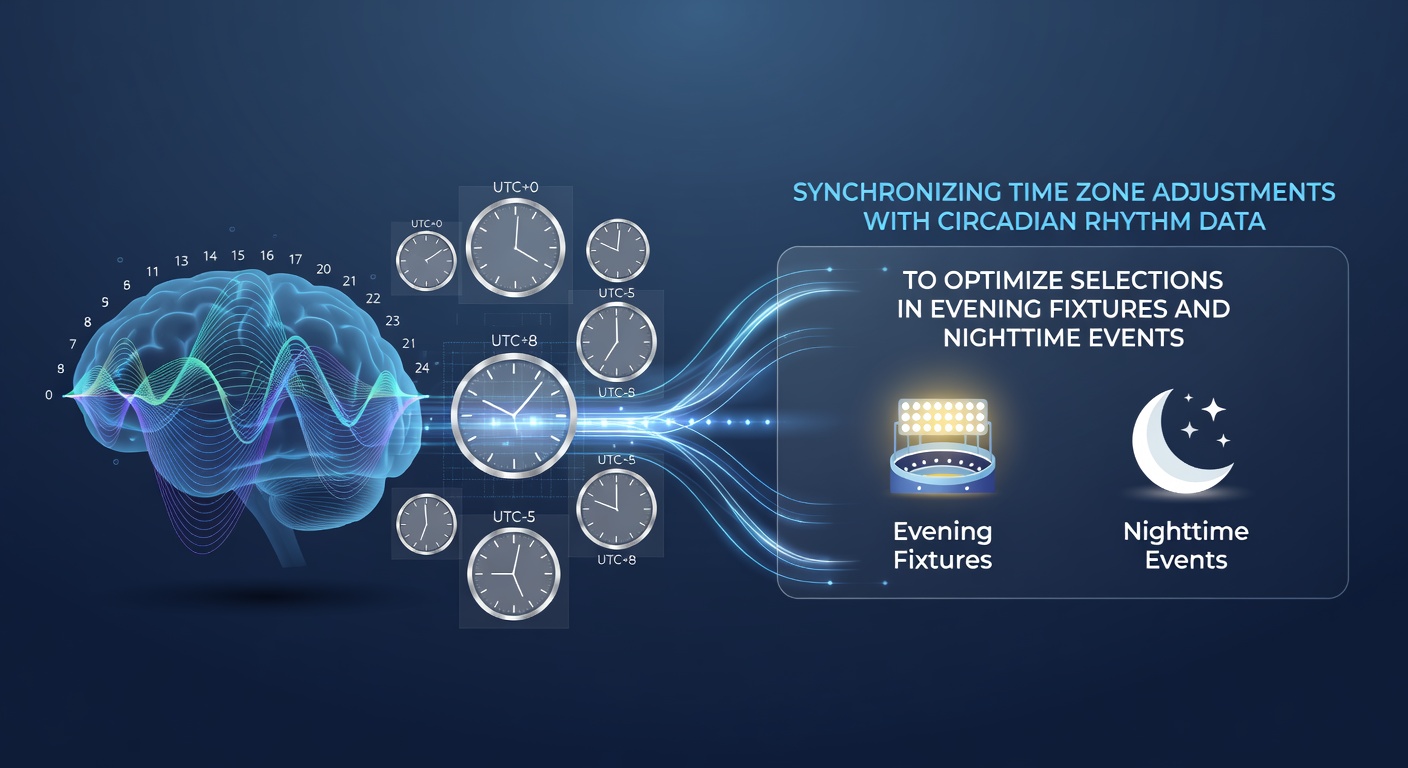
Travel across multiple time zones disrupts internal body clocks in athletes who compete during evening fixtures and nighttime events, and researchers have documented how this mismatch affects reaction times, endurance levels, and decision-making accuracy on the field or court. Data from performance tracking systems shows that synchronizing arrival schedules with individual circadian profiles allows teams to maintain peak output even when matches tip off after sunset in unfamiliar locations.
Mapping Body Clock Patterns to Travel Schedules
Studies conducted by sports science groups reveal that most humans reach their lowest core body temperature between 3 a.m. and 5 a.m. local time, which corresponds to reduced muscle strength and slower cognitive processing, yet evening competitions often occur when athletes have already passed their natural alertness window. Observers note that teams crossing several zones eastbound experience a phase advance that pushes this low point into the early evening hours, while westbound travel creates a phase delay that can extend the high-performance window later into the night.
Performance analysts collect heart rate variability readings, sleep onset times, and melatonin level samples from players before departure, during flights, and upon arrival, then feed those metrics into algorithms that predict daily peaks and troughs. When these predictions align with fixture kickoff times, coaching staff adjust training sessions, meal timing, and light exposure protocols to shift the internal clock without relying solely on calendar dates.
Integrating Real-Time Data Streams
Wearable devices transmit continuous streams of skin temperature, activity counts, and sleep duration to central dashboards that flag deviations from an athlete's baseline rhythm within hours of landing. Analysts cross-reference these readings against historical match data from similar time zone shifts, which allows them to identify patterns such as reduced sprint distances in the second half when core temperature remains elevated beyond the expected window. Software platforms then generate adjusted lineups or substitution schedules that place athletes whose rhythms have stabilized earlier in the game into positions requiring sustained concentration.
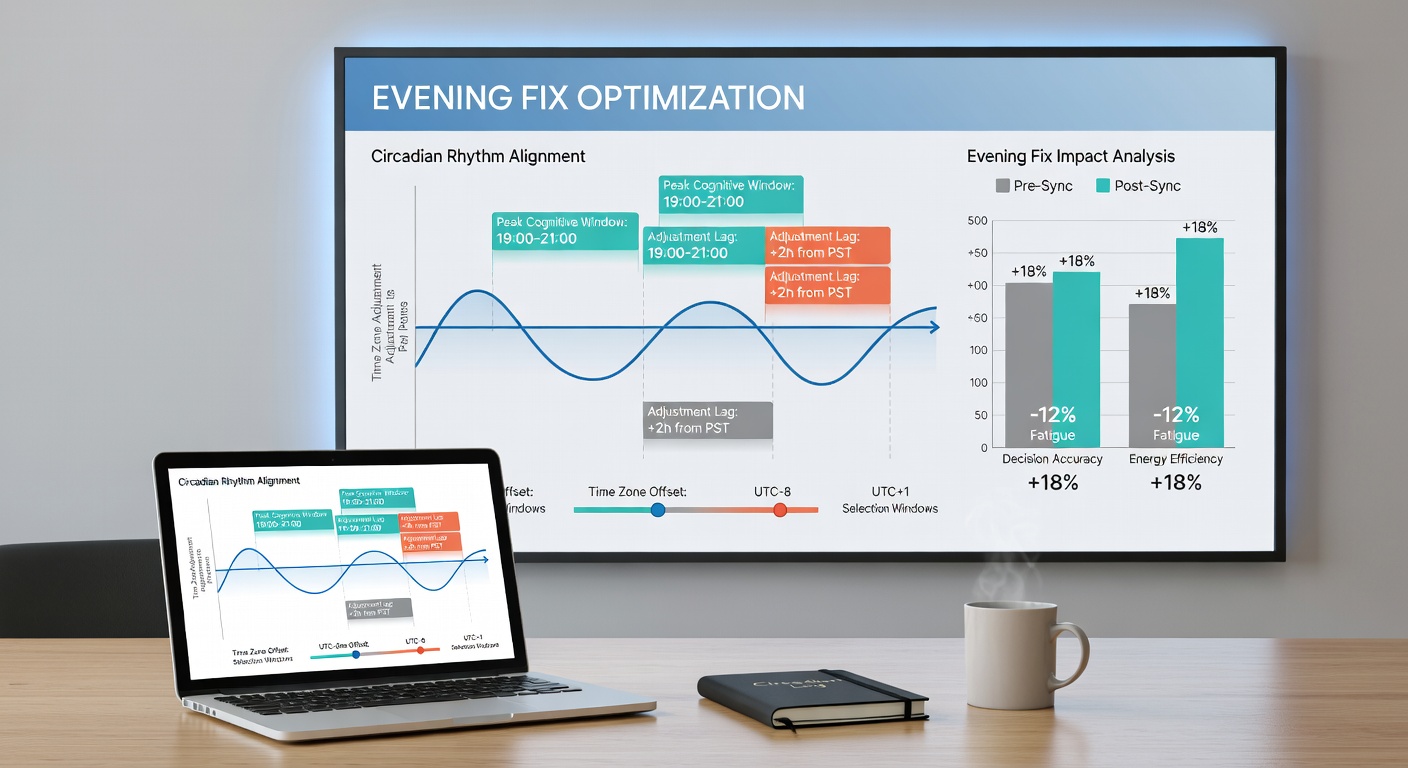
Research from the National Institutes of Health demonstrates that light exposure timed to advance or delay melatonin onset produces measurable shifts in alertness within 48 hours for most adults, provided the intervention begins immediately after arrival. Teams therefore schedule outdoor training or indoor light therapy sessions at precise intervals rather than following generic recovery protocols.
Applications Across Evening and Nighttime Competitions
Soccer leagues that schedule matches at 8 p.m. local time in cities reached after long-haul flights provide clear examples where circadian-adjusted selections show measurable differences in passing accuracy and defensive positioning during the final 30 minutes. Basketball organizations tracking player load across back-to-back road games in different zones use the same datasets to decide which starters receive reduced minutes when their predicted alertness curve dips below a set threshold. Horse racing events held under lights similarly benefit when jockeys and trainers align travel recovery with known peak muscle temperature windows, since reaction speed at the starting gate correlates directly with those physiological markers.
During preparations for events projected through May 2026, governing bodies have begun requiring standardized circadian reporting alongside traditional medical clearances, which creates larger datasets for refining prediction models across multiple sports. Figures released by the Australian Sports Commission indicate that athletes who follow individualized adjustment plans maintain 12 to 15 percent higher average power output in nighttime sessions compared with those following uniform schedules.
Tracking Outcomes and Refining Models
Continuous monitoring after initial adjustment reveals that some athletes require additional micro-shifts on subsequent days because individual chronotypes vary more widely than group averages suggest. Morning-type competitors often stabilize faster after eastward travel, whereas evening types adapt more readily to westward delays, and selection algorithms now incorporate these personal profiles rather than applying blanket rules. When evening fixtures coincide with major international tournaments, analysts combine venue-specific sunset times with historical weather data to further refine predictions about how ambient temperature interacts with internal rhythms.
Conclusion
Coordinating arrival timing, light exposure, and training loads with measured circadian data produces consistent performance advantages in evening and nighttime competitions where traditional recovery methods fall short. Organizations that maintain detailed longitudinal records continue to improve selection accuracy as new fixtures and travel routes enter the calendar each season.